You can transform your wellness routine and wardrobe in one practice with six fundamental yoga poses that take just 15 minutes, require nothing but a mat, and bridge the gap between your morning flow and your all-day confidence. These foundational postures aren’t Instagram acrobatics or advanced pretzel shapes. They’re accessible movements designed for real bodies living real lives, each one building strength, flexibility, and the kind of centered energy that carries you from sunrise meditation to sunset cocktails without missing a beat.
If you’ve been circling yoga from a distance, wondering whether it’s worth the hype or how it fits into your already-packed schedule, here’s the truth: these six poses form the architecture of nearly every practice you’ll encounter, from vinyasa classes to hotel-room stretch sessions. Master them, and you’re not just checking off a workout. You’re investing in a movement vocabulary that reduces stress, improves posture, and creates the physical ease that makes everything from your favorite high-waisted jeans to that power blazer feel better on your body.
The connection between how you move and how you show up is real. When fitness meets fashion yoga becomes more than exercise. It becomes a foundational practice that supports the way you want to live: intentionally, confidently, and with the kind of vitality that doesn’t need a filter. Whether you’re rolling out your mat in a studio, your living room, or a park, these poses meet you where you are and grow with you as your practice deepens.
What You Need to Start Your Yoga-to-Street Flow
You don’t need a studio membership or a wardrobe overhaul to start this practice. The beauty of the Yoga-to-Street approach is that it thrives on simplicity and versatility, tools that move with you, not equipment that sits gathering dust in a closet. What you choose should support both your movement and your life, blending function with the kind of aesthetic that makes wellness feel like a natural extension of who you are, not a separate identity you slip into.
Start with the basics:
- A lightweight, travel-friendly yoga mat (3-5mm thickness) that rolls easily into a tote or straps to a backpack
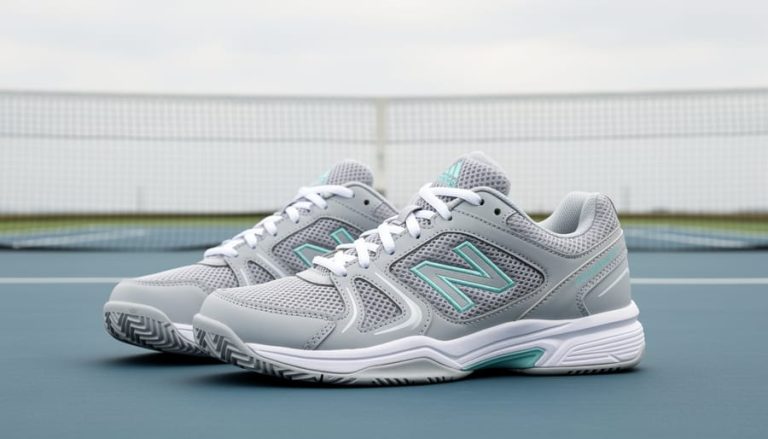
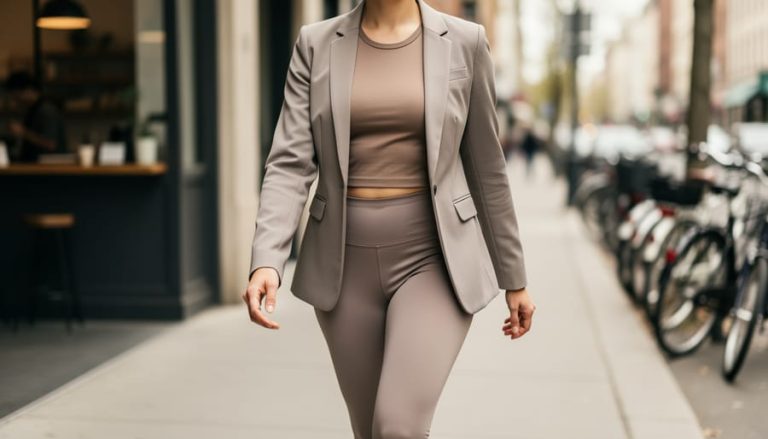
- Transitional activewear that works for practice and daily wear, think high-waisted leggings, supportive sports bras, and layering pieces you’d actually choose court sneakers to pair with
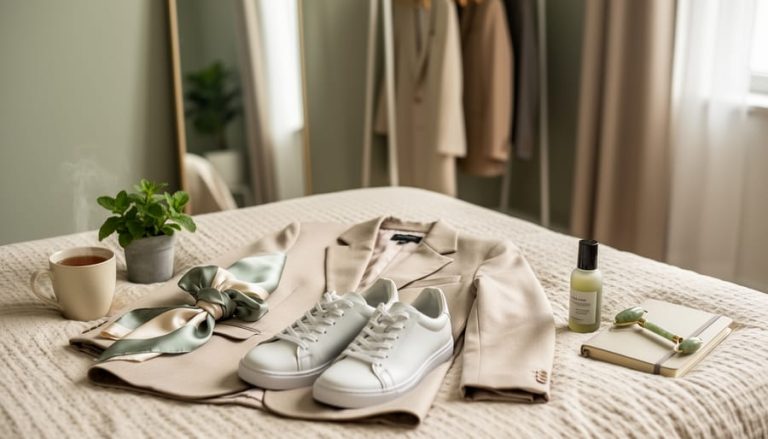
- Wellness products like CBD balms for post-practice recovery, adaptogenic teas for grounding rituals, or essential oils for breathwork
- A reusable water bottle that fits in your bag and reminds you to hydrate before, during, and after movement
- A journal or phone app for tracking how you feel after each session, not just what you did
Your mat doesn’t need to be the most expensive one on the market. Look for something grippy enough for Downward Dog but portable enough that you’ll actually bring it to the park or unfold it in your living room. Same logic applies to your clothes, if they don’t feel good enough to wear outside the house, you won’t reach for them when you need to squeeze in a quick flow between meetings.
The mindset piece matters just as much as the gear. This isn’t about perfection or Instagram-worthy backdrops. It’s about creating space for movement wherever you are, even if that’s a hotel room or a patch of grass during lunch. As lifestyle blogs trends continue to show, the people sustaining their wellness practices long-term are the ones who build rituals that adapt to real life, not rigid routines that crumble the moment schedules shift.
Important Safety and Body Awareness Tips
Before you step onto your mat, or that patch of park grass, let’s talk about making this practice yours without pushing past what your body needs today. Yoga is supposed to feel good, and that means honoring where you are right now, not where Instagram says you should be.
Start every session with at least five minutes of gentle movement to warm up your muscles and joints. Cold muscles don’t stretch well, and jumping straight into poses is how minor tweaks turn into real injuries. Roll your shoulders, circle your wrists and ankles, take a few slow cat-cow stretches on all fours. Think of it as telling your body what’s coming so it can show up ready.
Listen to your body’s signals like you’d listen to your best friend. Stretching should feel like productive tension, never sharp pain. If something pinches, burns, or makes you hold your breath, back off immediately. Modifications aren’t “beginner” moves, they’re smart movement. Tight hamstrings in Forward Fold? Bend your knees. Sensitive wrists in Downward Dog? Try forearm variations or use yoga blocks.
Skip or significantly modify poses during menstruation if inversions or deep twists don’t feel right. There’s zero shame in spending your entire practice in Child’s Pose on a hard day. That’s body awareness, not laziness.
Stay hydrated throughout the day, but avoid chugging water right before practice, you don’t want to feel sloshy mid-twist. Keep a bottle nearby and sip as needed.
Your flexibility will vary day to day based on stress, sleep, hydration, and a dozen other factors. Meeting yourself where you are today is the entire point of a sustainable wellness practice.
The 6 Yoga Poses That Transform Your Wellness Capsule
Pose 1: Mountain Pose (Tadasana), Your Grounding Ritual
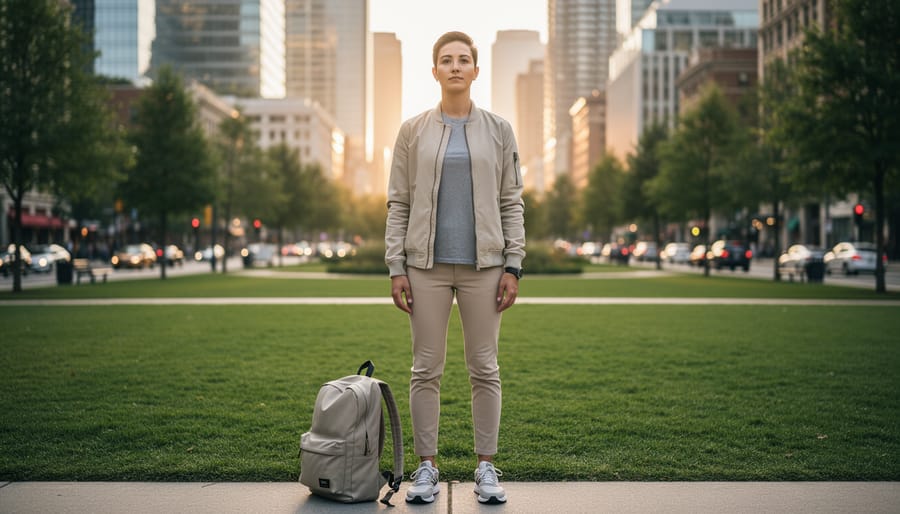
Mountain Pose might look like you’re just standing there, but that’s the point. This is the reset button your body needs after a day of slouching over screens or tottering in statement heels.
Start by standing with your feet hip-width apart, weight distributed evenly across all four corners of each foot. Press down through your big toe mounds, little toe mounds, and both edges of your heels. Feel your arches lift slightly, this is your foundation.
Engage your thighs without locking your knees. Imagine drawing your kneecaps up gently. Let your tailbone drop toward the floor as you lengthen your spine upward, creating space between each vertebra. Roll your shoulders back and down, away from your ears. Your arms hang naturally at your sides, palms facing forward or toward your thighs.
Lift through the crown of your head, chin parallel to the ground. Soften your jaw and gaze straight ahead.
Breathe deeply for five to eight breaths, inhaling through your nose and expanding your ribcage, exhaling slowly to release tension.
This pose recalibrates your alignment and reminds your body what grounded confidence feels like, the same energy you bring when you walk into a room and own it.
Pose 2: Downward-Facing Dog (Adho Mukha Svanasana), Your Full-Body Reset
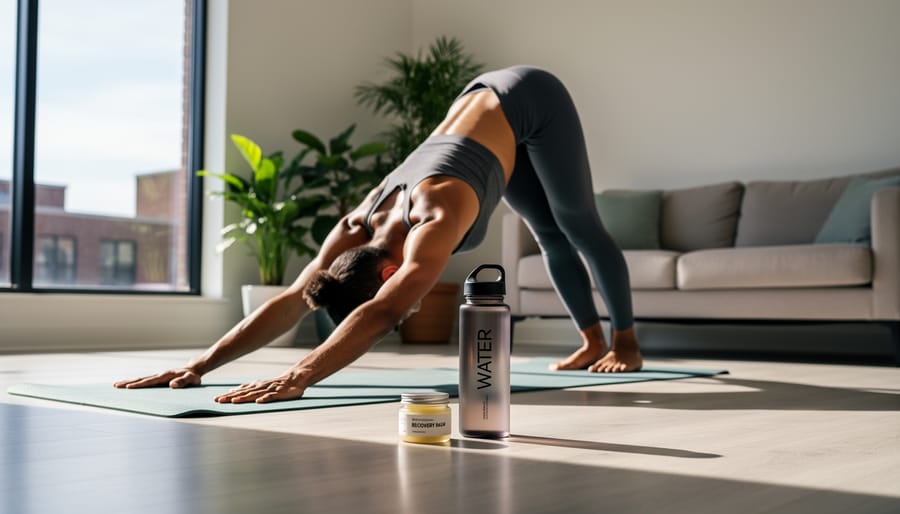
Start on hands and knees, then tuck your toes and lift your hips toward the ceiling, forming an inverted V-shape. Press your palms firmly into the mat with fingers spread wide, distributing weight evenly across both hands. Walk your feet hip-width apart, pressing your heels toward the floor without forcing them down, bent knees are perfectly acceptable if your hamstrings protest.
Your gaze should land between your feet or at your navel, keeping your neck neutral and relaxed. Think length through your spine rather than perfect geometry; the goal is creating space, not touching your heels to the ground on day one.
This pose is your mid-afternoon rescue plan when your shoulders are climbing toward your ears and your lower back is screaming from desk slouch. Hold for five to eight breaths, letting tension drain from your neck and spine. The beauty of Downward Dog is its portability, you can drop into this stretch in your apartment, at the park, or anywhere you can dress for both movement and life.
If your wrists tire easily, try placing a folded towel under the heels of your hands for a gentler angle. After practice, applying CBD balm to shoulders and lower back amplifies the release, supporting muscle recovery while you transition back into your day.
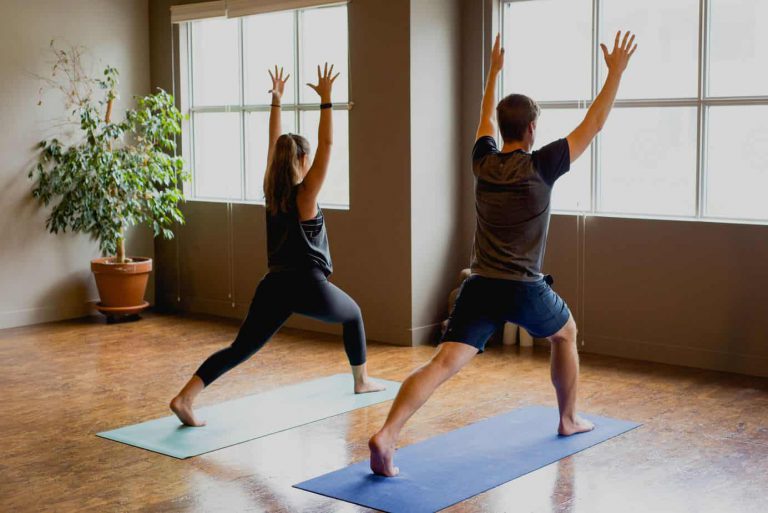
Pose 3: Warrior II (Virabhadrasana II), Your Empowerment Pose
Warrior II is the pose that teaches you to claim your space, both on the mat and in the world. It builds serious leg strength while opening your chest and shoulders, creating that grounded-yet-expansive feeling every city dweller needs.
Start standing and step your feet about three and a half to four feet apart. Turn your right foot out 90 degrees so toes point toward the front of your mat, and angle your left foot in slightly. Align your right heel with the arch of your left foot. Bend your right knee until it stacks directly over your ankle, aiming for a 90-degree angle in that front leg. Your back leg stays strong and straight, pressing firmly through the outer edge of your left foot.
Extend your arms out to shoulder height, palms facing down, reaching actively in opposite directions. Your gaze follows your front hand. Keep your torso upright, resist the urge to lean forward. Your hips stay open to the side, not twisting toward the front leg.
This stance demands presence. You’re holding tension in your thighs, opening your heart, and maintaining steady breath all at once. It’s the physical embodiment of showing up fully, whether you’re negotiating a deadline or navigating a crowded sidewalk. Hold for five breaths, then switch sides. Feel the burn. That’s you getting stronger.
Pose 4: Tree Pose (Vrksasana), Your Balance Check-In
Tree Pose asks you to stand on one leg while the other foot rests against your inner thigh, calf, or ankle, never directly on the knee joint. Start with your standing foot grounded firmly, toes spread wide. Press your lifted foot gently into your standing leg while simultaneously pressing that leg back into your foot; this creates stability rather than wobbling.
If balance feels shaky, place your raised foot lower on your shin or keep your toes on the floor with your heel against your ankle. Use a wall, kitchen counter, or chair back for fingertip support, there’s no prize for balancing unsupported while your matcha gets cold.
For arms, try hands at heart center first, then extend overhead if you feel steady. The real work happens in your hips: externally rotate your lifted leg to open through the hip flexor, counteracting hours of sitting.
This pose mirrors the juggling act of modern life, finding equilibrium between ambition and rest, movement and stillness. Practice it during morning rituals, between meetings, or while your kettle boils. Balance isn’t about never wavering; it’s about recalibrating when you do.
Pose 5: Seated Forward Fold (Paschimottanasana), Your Stress Release
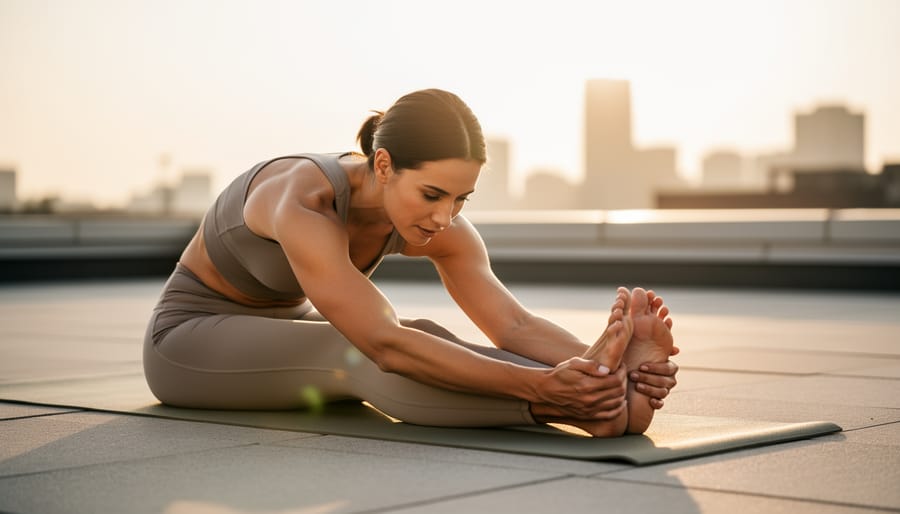
This is your end-of-day exhale in physical form. Sit on your mat with legs extended straight in front of you, feet flexed. Press your sitting bones down and lengthen your spine upward before you fold, imagine someone pulling a string from the crown of your head. Inhale to grow taller, then exhale as you hinge forward from your hips, not your waist. Reach your hands toward your shins, ankles, or feet, wherever they land without force. Keep your spine long instead of rounding over like a turtle shell. If your hamstrings are tight (and whose aren’t after a day in office chairs?), bend your knees slightly or place a folded blanket under your hips.
Hold for five to ten breaths, letting each exhale release a little more tension. This pose activates your parasympathetic nervous system, your body’s natural calm-down switch, making it perfect for those nights when your brain won’t stop replaying the day. Pair it with your evening adaptogenic tea ritual, practice it after journaling, or use it as a transition between work mode and personal time. The forward fold isn’t about touching your toes; it’s about giving your nervous system permission to stop running.
Pose 6: Child’s Pose (Balasana), Your Rest and Restore Anchor
Child’s Pose is where you give yourself permission to pause. In a culture that glorifies hustle, this pose is your quiet rebellion, a physical reminder that rest is productive.
Start kneeling on your mat with your big toes touching. You have two options: keep your knees together for a more contained feeling, or separate them hip-width (or wider) to allow your torso to sink deeper between your thighs. Both are valid; choose what your body needs right now.
Sit your hips back toward your heels as you fold forward. Extend your arms straight ahead, palms down, for an active stretch through your shoulders, or bring them alongside your body with palms facing up for complete surrender. Rest your forehead on the mat, this gentle pressure calms your nervous system.
Breathe slowly and deeply. Let your belly expand against your thighs with each inhale. Stay here for five breaths or five minutes; there’s no timer on rest.
This is your anchor when you’re overstimulated, overbooked, or simply need to remember that doing nothing is sometimes doing everything. Return to this pose whenever you need to come home to yourself.
How to Know Your Practice Is Working (and What Comes Next)
Your body speaks its own language, and once you start listening, it’ll tell you exactly what’s working. Real progress isn’t about touching your toes or nailing a perfect Warrior II on day three, it’s the quiet shifts that ripple through your daily life. You might notice your shoulders sit a little lower after a week of practice, or that nagging lower-back tension that flares up after desk hours starts to ease. Better sleep is often the first gift: falling asleep faster, waking less during the night, feeling more rested. Your focus sharpens, too, fewer afternoon mental crashes, more presence in conversations, less phone-scrolling to fill empty moments. These aren’t dramatic transformations; they’re recalibrations, the kind of improvements that make everything else in your style and wellness routine work better.
Track progress in ways that feel natural, not obsessive. A simple notes app entry once a week works: how your body feels, energy levels, mood shifts. If you’re sleeping through the night three times a week instead of once, that’s data. If you catch yourself standing taller in line at the coffee shop, write it down. When you’re ready to deepen, add one new pose every two weeks, extend hold times by 10 seconds, or take your mat to a park for outdoor practice. The yoga-to-street concept thrives when you expand beyond your apartment: midday stretches at your desk between meetings, Tree Pose while your tea steeps, community classes that double as social connection. This isn’t about perfection; it’s about building a practice so woven into your rhythm that skipping it feels like forgetting to brush your teeth.
Common Questions About Starting a Yoga-to-Street Practice
How long should I hold each pose?
Start with 5 to 10 breaths per pose (about 30 to 60 seconds), which gives your body time to settle without overwhelming your muscles. As you build strength and comfort, you can extend holds to 1 to 2 minutes, especially for restorative poses like Child’s Pose.
Can I do these poses in street clothes?
Absolutely. Choose pieces with some stretch, joggers, wide-leg trousers, or even relaxed jeans work fine for gentle poses like Mountain Pose or Tree Pose. Avoid restrictive waistbands for forward folds, and skip heels for balance work.
Do I need to practice all six every day?
Not at all. Pick two or three poses that match how your body feels that day, Mountain Pose and Tree Pose for morning grounding, Downward Dog for midday energy, Child’s Pose for evening unwinding. Consistency beats completeness.
What if I’m not flexible?
Flexibility is a result of practice, not a prerequisite. Use modifications like bent knees in Downward Dog or a yoga block under your hands in forward folds. Your range of motion will gradually increase without forcing it.
These poses fit into small pockets of your day. Three minutes while your coffee brews, five minutes before bed, or a quick Warrior II break between meetings builds the habit without demanding a dedicated hour. Wellness products like CBD balm can support recovery after deeper stretches, while adaptogenic tea pairs naturally with your post-practice wind-down. Most people notice improved posture and reduced tension within two weeks of regular practice, with deeper benefits like better sleep and mental clarity building over four to six weeks. The key is starting where you are, not where you think you should be.
Yoga doesn’t live in a studio, and it doesn’t require matching athleisure sets or a perfectly curated Instagram grid. It fits into your real life, between meetings, before bed, on a park bench during lunch, or in your living room while your morning coffee brews. These six poses are your foundation, not your finish line. Start with one. Master the alignment of Mountain Pose while you’re waiting for the elevator, or sink into Child’s Pose after a long day instead of scrolling your phone. Let your practice grow as you do, adapting to your schedule, your energy, and your style.
Fashionable wellbeing isn’t about doing everything perfectly. It’s about finding what actually works for you and weaving it into the rhythm of your days. Some weeks you’ll flow through all six poses. Other weeks, one intentional breath in Downward Dog might be enough. Both count. Both matter.
You don’t need more time or better flexibility. You just need to begin. Roll out the mat if you have one. Use a towel if you don’t. Stand tall in Mountain Pose right where you are, and let that be your first move toward a wellness practice that’s as real, resilient, and uniquely yours as the life you’re already living.