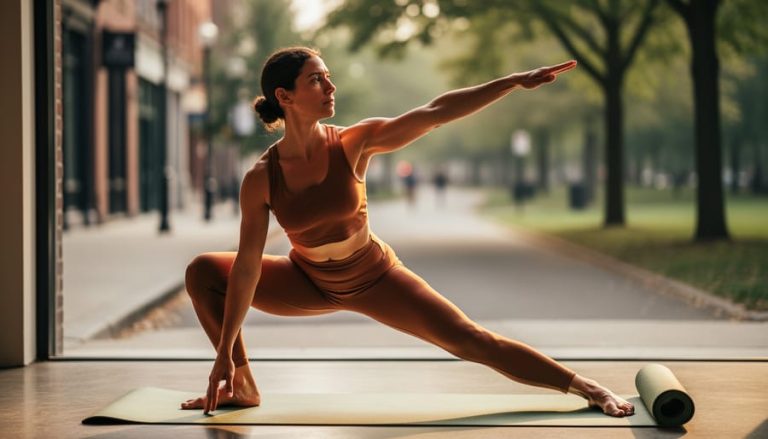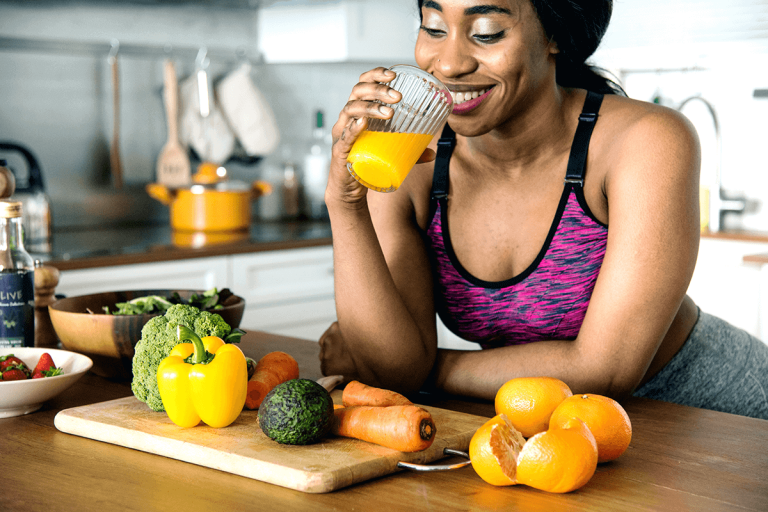
Yes, yoga is good strength training, with one honest caveat. Yoga builds strength by asking your muscles to hold and move your own body weight through planks, lunges, balances, and long isometric holds, which develops muscular endurance, stability, and control. It won’t replace heavy lifting if your goal is maximum muscle size or raw power, but for most everyday strength needs, it delivers more than people expect.
Anyone who’s held a chair pose for a full minute or lowered through a slow chaturanga knows the burn is real. The strength you build is functional too: stronger core, steadier shoulders, and hips that can actually support you, which shows up in how you carry yourself on a Monday commute as much as on the mat.
That crossover between movement and everyday style is part of why every lifestyle blog trend now treats wellness and wardrobe as one story. Here, we’ll break down how yoga builds strength, which styles and poses do the most work, how it stacks up against weights, and how to dress for the practice so your yoga pieces move seamlessly from studio to street.
What Strength Means on the Mat: A Plain-Language Definition
Strength training, at its simplest, means asking your muscles to work against resistance so they adapt and get stronger over time. That resistance doesn’t have to come from a barbell. It can come from your own body, gravity, and a little patience.
Yoga fits that definition more than people expect. You lift and lower your own weight in poses like plank and chaturanga, you hold positions while muscles stay switched on, and you move slowly enough that there’s no momentum to lean on. Here are the key terms in plain language:
- Bodyweight resistance
- Using the weight of your own body as the load, like pressing up from the floor or sinking into a lunge.
- Isometric hold
- Staying still in a pose while your muscles keep working, the way they do in a long Warrior II or chair pose.
- Muscular endurance
- How long your muscles can keep working before they tire out.
- Stability
- Your ability to stay steady and controlled, thanks to the smaller muscles around your joints and your core.
- Progressive overload
- Gradually making things harder, with more weight, more reps, or longer holds, so your body keeps adapting.
Keeping these definitions straight clears up a lot of confusion. Yoga is especially good at building endurance and stability, the kind of strength that keeps you upright on a crowded train or carrying groceries without a wobble. Maximal strength, meaning how much force you can produce in a single all-out effort, is a different goal. It usually calls for heavier, easily adjustable loads, which is where weights tend to have the edge.
So when we ask whether yoga counts as strength training, the answer depends on which kind of strength you’re after.
How Yoga Builds Strength
Holds, Tempo, and Balance: Where the Work Happens
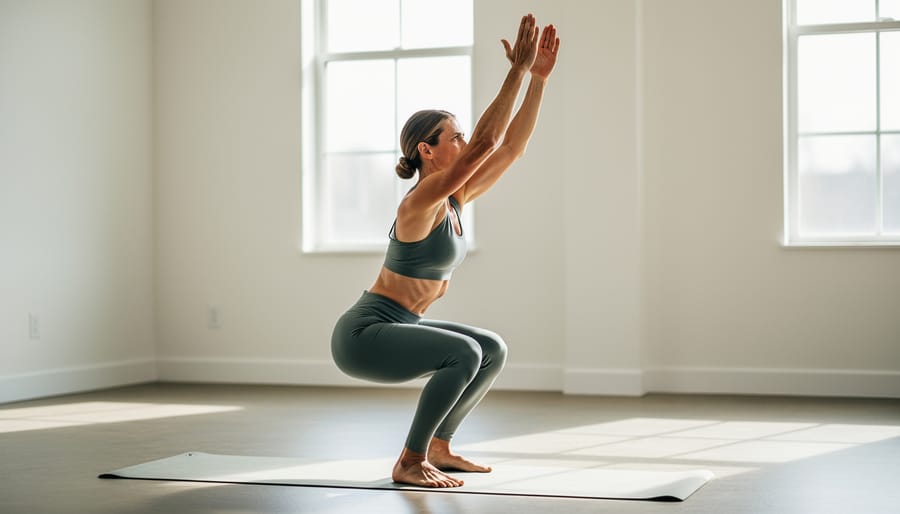
Strength on the mat comes from three things working together: how long you stay, how slowly you move, and how little you let the ground help you. Hold Chair Pose for thirty seconds and your thighs will tell you everything. That’s an isometric hold, where muscles stay switched on without the joint moving.
Slowing down is the secret multiplier. Lowering into chaturanga over four counts, instead of dropping, makes a familiar pose feel brand new. Single-leg balance adds another layer, since your hips, ankles, and core have to keep correcting to keep you upright.
Here’s how yoga creates resistance without a single dumbbell:
- Body weight, which acts as the load in every pose
- Long holds that keep muscles working under tension
- Slow tempo that removes momentum from transitions
- Unstable bases, like one-leg stands, that recruit stabilizers
- Leverage, where longer arms or legs make the same pose harder
Try stretching your arms overhead in Warrior II and notice how quickly the shoulders speak up. Same pose, different leverage, and suddenly it’s a workout.
The Poses That Pack the Most Punch
Some poses just feel harder than others, and that’s usually a sign they’re doing real work. Here are the ones worth bookmarking.
Chair pose (utkatasana) is a quiet burner. Sinking your hips back and down fires up your quads, glutes, and lower back, and the longer you stay, the more your thighs let you know about it.
Plank and chaturanga are the upper-body and core classics. Plank teaches your shoulders, chest, and abs to hold a straight line, while chaturanga adds a slow, controlled lowering that challenges your triceps and the muscles around your shoulder blades.
Boat pose (navasana) zeroes in on your deep core and hip flexors. Lifting your legs while keeping your chest tall is a small move with a big payoff.
Warrior sequences, especially Warrior II and Warrior III, build leg strength and single-leg stability, with your glutes, thighs, and hips doing steady work.
Crow pose (bakasana) brings it all together: wrists, arms, and core working as a team to lift you off the ground.
Which Yoga Styles Work Best for Strength
Not every yoga class asks the same things of your muscles, so the style you pick shapes how strong you feel afterward.
Vinyasa and power yoga are the strength-forward crowd. Flowing sequences and repeated chaturangas keep your arms, shoulders, and core working, and power classes often add longer holds and a faster pace. If you want to feel it tomorrow, start here.
Ashtanga follows the same set order of poses every time, with plenty of jump-backs, planks, and standing work. It’s demanding and builds real endurance, though it suits people who like routine and can commit to several sessions a week.
Iyengar is slower and precise. Poses are held longer, with careful alignment and often props. That steady hold time challenges your legs and stabilizers more than you’d expect, even though it doesn’t feel flashy.
Hatha is a gentle-to-moderate catch-all. Expect basic poses at an easy pace, which is a friendly entry point if you’re new, with moderate strength gains.
Restorative leans toward recovery. Supported, passive poses calm your nervous system and ease tension, but they won’t build much strength. Think of it as the reset day.
Choosing comes down to your goal and your calendar. Chasing strength? Go for vinyasa, power, or Ashtanga two to three times a week. Short on time or returning from a break? Hatha or a shorter Iyengar class keeps things approachable. Pair a strength-focused session with a restorative one and you get both the work and the recovery.
Where Yoga Shines and Where Weights Still Win
Yoga earns its reputation as strength training in a few specific places. Your core works nearly every minute you’re on the mat, balance poses train the small stabilizing muscles around your hips and ankles, and the mobility you build keeps joints moving well. It’s also gentle on the body and needs nothing but a few square feet of floor, so a strong session can happen in a hotel room, a park, or your living room before work.
Weights win in a different set of places. Because your own body is the only load in yoga, it’s hard to progress in small, measurable steps the way you can by adding a few pounds to a barbell. That makes yoga less suited to building significant muscle size or maximal strength. If your goal is a heavy deadlift or visibly bigger shoulders, you’ll eventually want resistance you can increase on purpose.
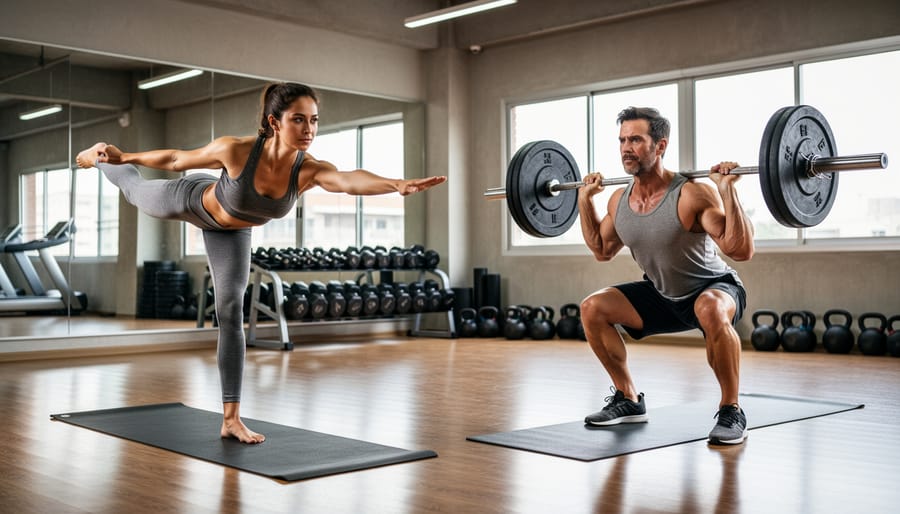
Think of the two as teammates, not rivals. Lifting builds raw power and muscle, and yoga builds the control, balance, and mobility that help you use that power well. Plenty of people find that a couple of strength sessions plus a few yoga flows each week covers more ground than either one alone.
If you’re choosing where to start, let your goals decide. Want to feel steadier, more flexible, and strong enough for everyday life? Yoga alone can take you far. Want to push toward heavier lifts? Keep your mat in the rotation as the partner that helps you recover and move well.
Building Your Yoga-to-Street Style and Wellness Capsule
Here’s the good news: building strength on the mat doesn’t require a complicated plan. A simple weekly rhythm works wonders. Try two or three yoga sessions that lean strength-forward, like vinyasa or power flow, then fill the gaps with walking, some weight work if you enjoy it, and one gentle restorative day. If you want a few poses that feel good at any hour, our yoga-to-city ritual is an easy place to start.
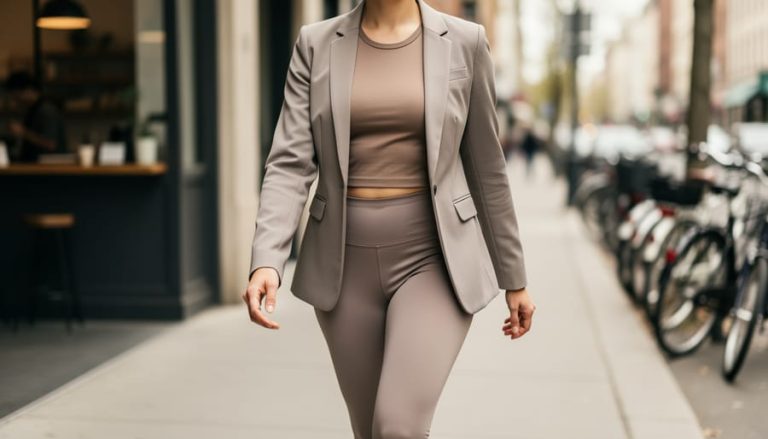
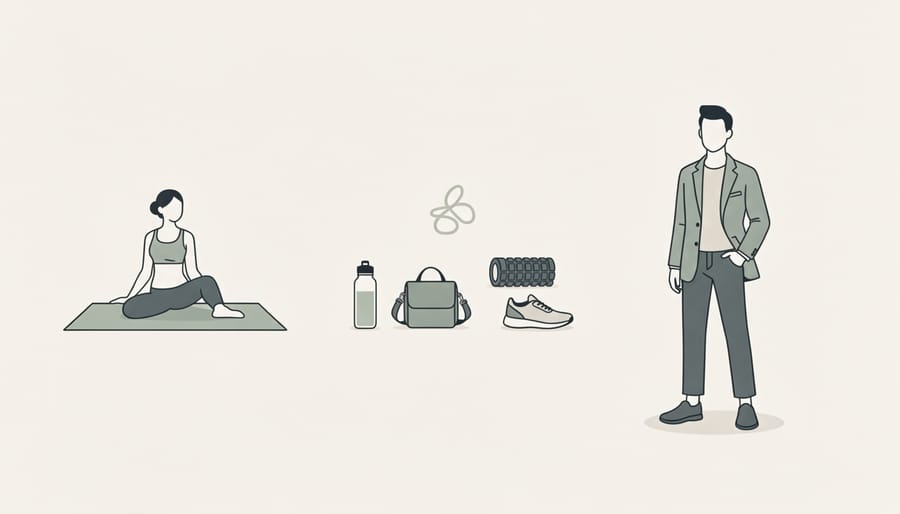
Your wardrobe should work as hard as you do. A mini capsule keeps things effortless, so you can go from class to coffee run without a wardrobe change. Here’s the checklist:
- High-support leggings that stay put through chaturanga and chair pose.
- A breathable, fitted top that moves with you and still looks polished.
- An easy layer, like a soft zip-up or oversized crewneck, for the walk home.
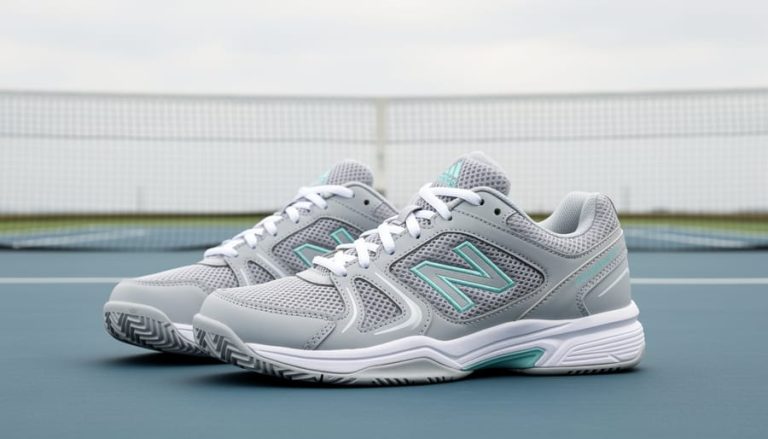
- Clean, low-profile sneakers that carry you from studio to street.
For that last piece, our court sneakers guide walks through what to look for. And if you love how movement and style feed each other, explore where fitness meets fashion for more inspiration.
Then there’s the after-practice moment, which can be a ritual of its own. Some people like to keep a small kit handy:
- A calming herbal tea to sip while your muscles settle.
- A soothing CBD balm, if that’s a fit for you, for shoulders or legs.
- Five quiet minutes of stretching or slow breathing.
Treat these as personal choices rather than must-haves. Check what suits your own needs, and make sure any product is allowed where you live, since CBD rules vary by location. It’s also wise to chat with a healthcare professional first, especially if you take medication or have a health condition.
Your Questions About Yoga and Strength, Answered
Short answers to the questions that come up most, so you can roll out the mat with confidence.
Can yoga replace the gym?
For many people, yes, especially if the goal is core strength, stability, and muscular endurance. If you want to build noticeably more muscle or lift heavier over time, adding some weights will give you more room to progress.
How often should I practice for strength?
Two to four sessions a week is a friendly range for most schedules, with at least one strength-focused style like vinyasa or power yoga in the mix. Consistency matters more than perfection, so pick a rhythm you can actually keep.
Can beginners build strength with yoga?
Absolutely. Simple poses like chair, plank, and warrior are challenging enough when you hold them with good form, and you can make them harder as you get stronger by staying longer or slowing down.
Does yoga build muscle, and can I combine it with weight training?
Yoga can tone and strengthen muscles, especially in beginners, but it is harder to load progressively than lifting. Pairing the two works beautifully: yoga supports mobility and balance while weights add resistance.
If a question isn’t covered here, listen to your body and adjust as you go. Anything specific to your health, injuries, or goals is worth a quick chat with a qualified instructor or healthcare professional, so your practice fits you.
So, is yoga good strength training? Yes, with a clear-eyed caveat. It builds the kind of strength you actually feel in daily life: endurance that carries you through a long hold, stability that keeps you steady on one foot, and control that makes every movement look and feel effortless. It won’t replace heavy lifting if your goal is big muscle or maximal strength, but it plays beautifully alongside it.
That’s the heart of the Yoga-to-Street Style and Wellness Capsule. Your practice and your wardrobe should work together, so you can step off the mat, grab a coffee, and head into your day feeling strong, supported, and put-together. Strength isn’t just something you build, it’s something you carry with you.
So start small. Pull on your favorite leggings, unroll the mat, and hold that chair pose one breath longer than you think you can. Your body will thank you.