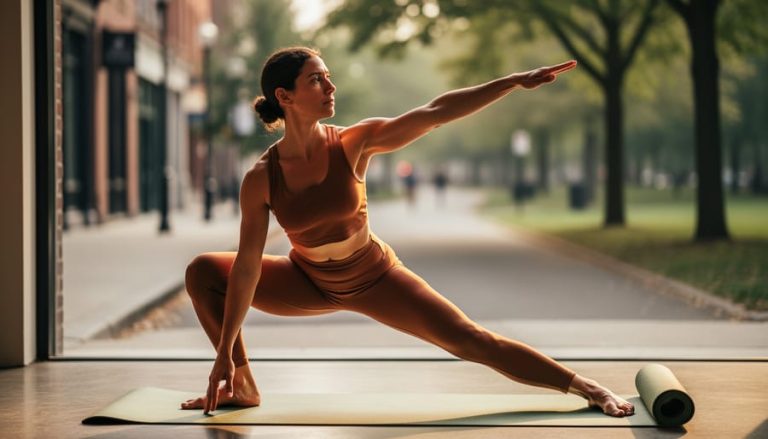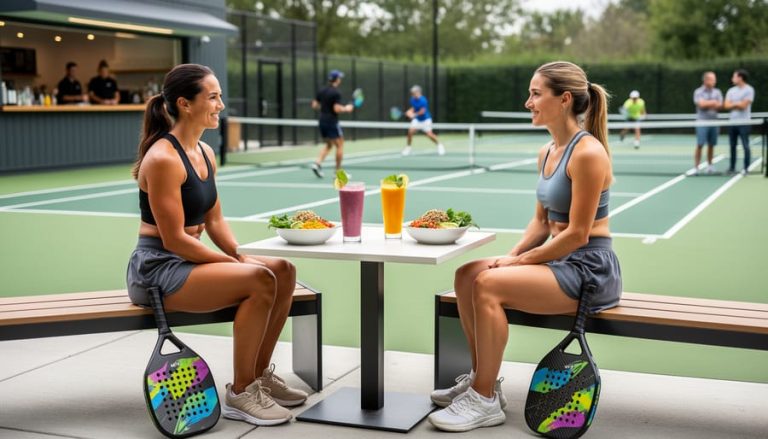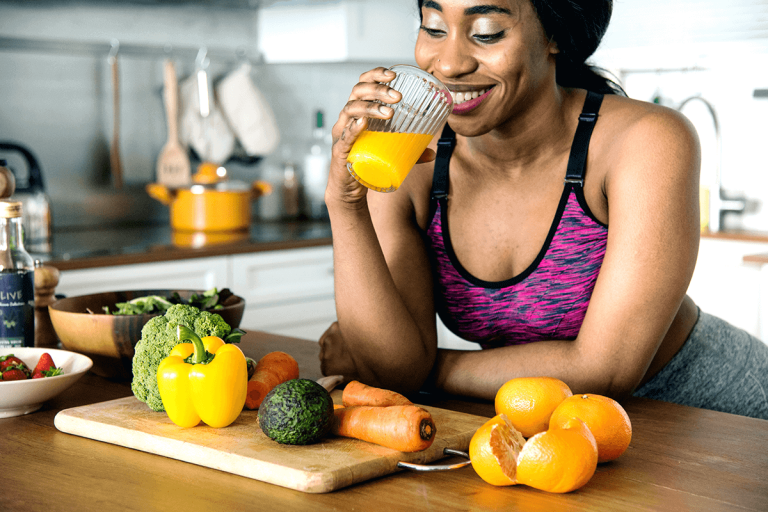
Fitness and fashion have merged into a lifestyle movement where performance wear doubles as everyday style, and your workout wardrobe no longer needs to hide in the gym locker. This fusion solves a practical problem for busy professionals and wellness enthusiasts: you can move seamlessly from a morning yoga session to a coffee meeting without a complete outfit change, all while looking polished and feeling comfortable. The key lies in choosing versatile activewear pieces with clean lines, quality fabrics, and neutral palettes that work with your existing wardrobe, then styling them with intention.
What started as a trend has become a permanent shift in how we dress. The lines between athletic gear and streetwear have blurred so completely that fashion runways now showcase sneakers alongside tailored blazers, and technical fabrics appear in pieces you’d wear to dinner. This isn’t about squeezing into restrictive gym clothes all day. It’s about recognizing that wellness-centered living demands clothing that supports movement, breathes with your body, and transitions across different environments without sacrificing style.
The real beauty of this intersection? You’re building a wardrobe that reflects how you actually live in 2026, not how fashion magazines once dictated you should dress. Your clothing choices can honor both your commitment to staying active and your desire to look put-together, creating a sustainable approach to getting dressed that saves time, reduces decision fatigue, and keeps you ready for whatever your day brings.
The Evolution of Fitness Fashion: From Gym-Only to Everywhere
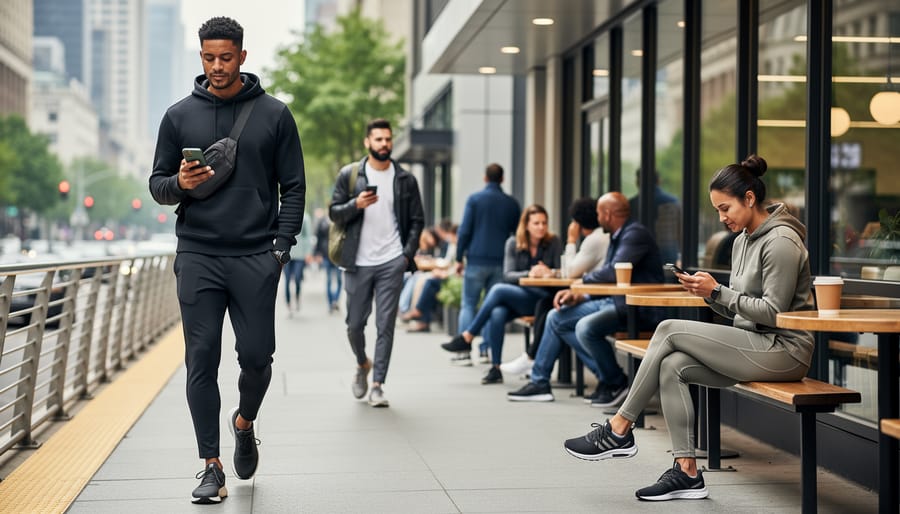
Remember when stepping out in yoga pants meant you were literally heading to yoga class? Those days are long gone. Workout wear has broken free from the gym’s four walls and claimed its place in our everyday wardrobes, coffee runs, and even some office settings.
The shift began around 2014 when athleisure emerged as more than a trend, it became a lifestyle statement. Suddenly, leggings paired with a blazer wasn’t just acceptable; it was aspirational. Fashion designers who once dismissed athletic wear as purely functional started incorporating performance fabrics into their collections. High-fashion brands launched activewear lines, and suddenly the line between gym clothes and street style blurred beyond recognition.
Technology played a starring role in this evolution. Modern fabrics do things cotton gym clothes never could, they wick moisture away from your skin, stretch in four directions without losing shape, and somehow manage to look sleek while keeping you cool. These innovations made activewear comfortable enough to wear all day, not just during your workout hour.
Cultural shifts accelerated the transformation. As wellness became central to modern identity and remote work redefined professional dress codes, comfort merged with style in unprecedented ways. We stopped compartmentalizing our lives into rigid categories, and our wardrobes followed suit. The same compression leggings that support your morning run now pair perfectly with an oversized sweater for afternoon meetings.
Today’s fitness fashion trends reflect our holistic approach to living, we want clothes that move with us through every part of our day, looking polished whether we’re hitting the gym, grabbing groceries, or meeting friends for brunch.
Building Your Fitness Fashion Wardrobe: Essential Pieces That Work Hard
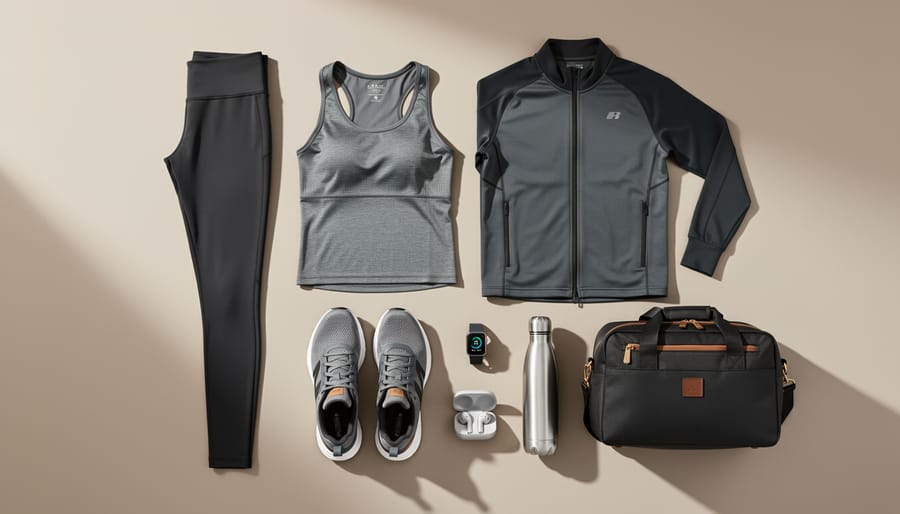
Performance Fabrics That Look Amazing
Modern performance fabrics have revolutionized how activewear looks and performs, making it possible to feel confident both during your workout and throughout your day. Understanding these technologies helps you choose pieces that genuinely deliver on both function and style.
Moisture-wicking fabrics pull sweat away from your skin to the garment’s outer surface where it evaporates quickly. Look for synthetic blends like polyester or nylon rather than cotton, which absorbs moisture and clings uncomfortably. The best moisture-wicking pieces feel dry within minutes of cooling down, eliminating that post-gym dampness that once made activewear strictly gym-only clothing.
Four-way stretch technology allows fabric to move in all directions, both horizontally and vertically, creating that second-skin fit that defines modern fitness fashion. This stretch recovery means your leggings won’t bag at the knees or lose their shape after repeated wear. When shopping, physically stretch the fabric in both directions; quality pieces should snap back immediately without looking distorted.
Compression fabrics provide targeted support while creating a streamlined silhouette. They enhance circulation during workouts and aid muscle recovery afterward, all while delivering that polished, put-together look. Graduated compression offers varying levels of support across different body zones, though even light compression can smooth lines under everyday clothing.
The magic happens when these technologies combine. A pair of leggings with moisture-wicking four-way stretch and strategic compression performs beautifully during hot yoga while looking sharp enough for your coffee run afterward.
The Perfect Fit for Your Body and Your Goals
The right activewear does double duty: it supports your body’s movement during exercise while making you feel confident and put-together throughout your day. Start by identifying your primary activities, high-impact workouts demand different support than yoga or strength training. If you’re into running or HIIT, look for high-waisted leggings with compression zones around the core and glutes, plus sports bras with encapsulation or compression features rated for your cup size. For flexibility-focused activities like Pilates or barre, prioritize four-way stretch fabrics that move with you without restricting range of motion.
Common fit frustrations have straightforward solutions. If leggings slip down during workouts, choose styles with wider waistbands and a slight V-shape at the back. Struggle with gaping sports bras? Seek adjustable straps and band closures rather than pull-on styles. For those with longer torsos, high-rise bottoms prevent the dreaded mid-workout gap, while petite frames benefit from cropped lengths that don’t bunch at the ankles. Remember that sizing varies wildly between brands, so prioritize how pieces feel and perform over the number on the tag, your fitness fashion should enhance your confidence, not compromise it.
Styling Activewear for Life Beyond the Gym
The real magic of fitness fashion happens when your activewear escapes the gym and becomes part of your everyday style rotation. Transitioning workout pieces into street-ready outfits requires just a few strategic swaps and smart layering techniques.
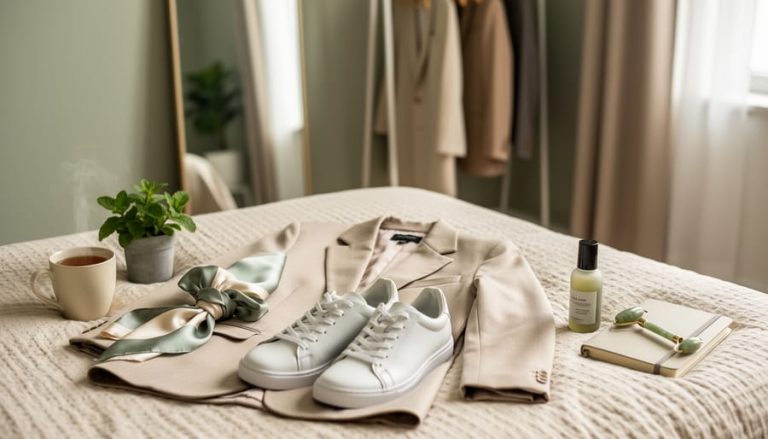
Start by anchoring your athletic pieces with structured items. Pair high-waisted leggings with an oversized blazer and ankle boots for an instantly polished look. The contrast between the fitted bottom and relaxed tailoring creates visual interest while keeping comfort front and center. Swap your training shoes for white leather sneakers or loafers to elevate the entire ensemble.
Layering transforms everything. A sleek sports bra becomes a legitimate top when worn under a linen shirt left unbuttoned, or beneath a cropped cardigan. Throw a longline coat over your favorite workout set, and suddenly you’ve got a cohesive outfit that works for coffee runs or casual meetings. The key is balancing proportions: if you’re wearing fitted activewear, add volume on top with oversized outerwear or chunky knits.
Here are practical outfit formulas you can build for different occasions:
- Weekend brunch: Bike shorts, oversized graphic tee tucked at the front, denim jacket, chunky gold jewelry, and slip-on sneakers
- Running errands: Black leggings, longline puffer vest, fitted turtleneck, crossbody bag, and minimalist trainers
- Casual Friday at work: Tailored joggers in neutral tones, crisp white button-down, pointed-toe flats, structured tote, and delicate layered necklaces
- Afternoon activities: Matching athletic set, trench coat, canvas sneakers, statement sunglasses, and a woven tote
Accessories make all the difference in bridging athletic and everyday style. Trade your gym backpack for a structured leather bag. Add statement earrings or layered necklaces to draw attention upward. A silk scarf, whether tied around your neck or threaded through a belt loop, instantly softens the athletic edge.
For fresh 2026 style inspiration and more lifestyle outfit ideas experiment with unexpected combinations. The beauty of fitness fashion is its versatility, your pieces should work as hard as you do, moving effortlessly through your entire day.
Wellness-Infused Fashion Choices: Beyond Just Looking Good
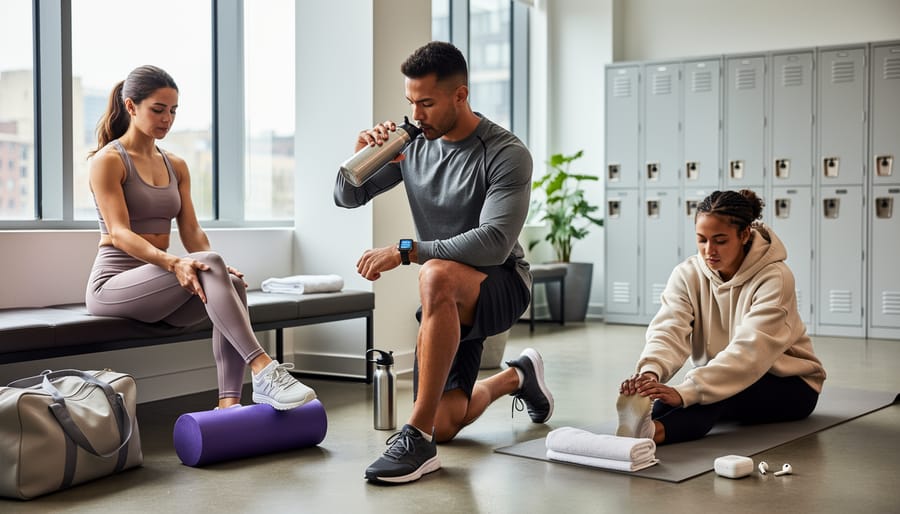
Your workout wardrobe does more than photograph well. The right pieces actively support recovery, enhance circulation, and even influence how you show up mentally for each session.
Compression wear stands out as a true performance-recovery hybrid. Graduated compression leggings and tops apply gentle, targeted pressure that promotes blood flow during exercise and speeds lactate clearance afterward. While compression garment evidence shows the greatest benefits for recovery rather than performance gains, many athletes report feeling more supported and less fatigued when wearing well-fitted compression pieces. Look for medical-grade compression levels if recovery is your priority, or lighter compression for everyday comfort and circulation support.
What you wear post-workout matters just as much. Moisture-wicking fabrics prevent the clammy discomfort that can disrupt your cooldown, while seamless construction eliminates friction on sensitized skin. Pair your recovery outfit with intentional skincare: emerging research on topical CBD muscle recovery suggests CBD-infused lotions and balms may help reduce exercise-induced inflammation and muscle soreness when massaged into tired areas. Apply after your post-workout shower while skin is still slightly damp for better absorption.
The mental dimension runs deeper than you might expect. Slipping into activewear you genuinely love creates a psychological shift, a tangible signal that you’re prioritizing yourself. That confidence ripple affects everything from workout intensity to how you carry yourself throughout the day. Choose colors and silhouettes that make you feel capable rather than self-conscious. When your clothes feel like armor rather than costume, you move differently in the world, both inside the gym and beyond it.
Sustainable Fitness Fashion: Looking Good While Doing Good
The activewear industry pumps out over 60 million tons of clothing annually, with synthetic fabrics shedding microplastics into our waterways with every wash. Your fitness fashion choices carry environmental weight, but shifting toward sustainability doesn’t mean sacrificing style or performance.
Start by scrutinizing fabric labels. Recycled polyester and nylon offer the same moisture-wicking and stretch properties as virgin synthetics while diverting plastic bottles from landfills. Organic cotton, Tencel, and bamboo provide breathable alternatives for recovery wear and loungewear without the pesticide load of conventional crops. Brands like Patagonia, Girlfriend Collective, and Outerknown have built reputations on transparent supply chains and genuine environmental commitments, look for certifications like bluesign or Fair Trade to verify claims beyond marketing speak.
How you care for what you already own matters as much as what you buy next. Washing activewear in cold water, air-drying instead of using a dryer, and using a Guppyfriend bag to capture microfiber shedding extends garment life while reducing environmental harm. Quality pieces that survive years of wear and washing beat trendy fast-fashion leggings that pill after a month, even if the upfront cost stings.
The capsule wardrobe approach revolutionizes sustainable fitness fashion by prioritizing versatility over volume:
- Build around neutral base colors that mix effortlessly across pieces
- Invest in multi-functional items that work for different activities
- Choose timeless cuts over trend-driven silhouettes
- Limit yourself to pieces you genuinely wear weekly
- Repair minor damage instead of replacing immediately
When every item in your rotation serves multiple purposes and pairs with everything else, you naturally buy less while maintaining a fresh, cohesive look. Swap meets and secondhand platforms like Poshmark or ThredUp offer gently-used premium activewear at fraction prices, proving sustainable choices benefit your wallet alongside the planet.
Color, Confidence, and Performance: The Psychology of What You Wear
What you wear to work out isn’t just about fabric and fit, it’s about mindset. The colors and styles you choose directly influence how you feel during a workout, which shapes how you perform. When you pull on activewear that makes you feel confident and capable, you’re already priming yourself for a better session.
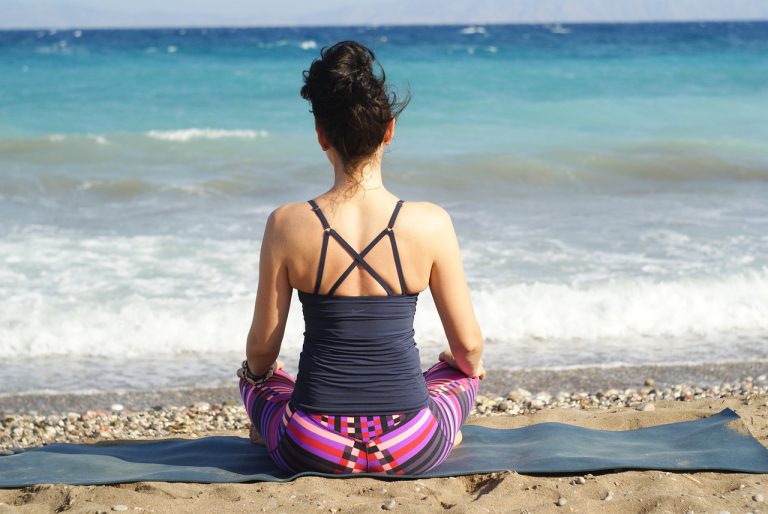
Color psychology plays a real role here. Bold reds and oranges can energize and boost aggression during high-intensity training, while calming blues and greens help center your focus during yoga or stretching. Black remains the most popular activewear choice because it feels slimming, powerful, and versatile, but don’t underestimate the motivational lift from bright, vibrant hues on days when your energy is flagging. Your clothing literally sets the emotional tone before you start moving.
The confidence factor goes deeper than aesthetics. Studies show that when people feel good about their appearance, they push harder, maintain better form, and stick with their routines longer. This isn’t vanity, it’s psychology. Wearing pieces that reflect your personal style transforms exercise from obligation to expression. You’re not just checking off a workout; you’re showing up as the version of yourself you want to be.
This is why fitness and fashion work together so powerfully. When your activewear aligns with both your functional needs and your sense of self, you create positive reinforcement that builds momentum. You dress and thrive by honoring both aspects, the performance you demand and the identity you express. That connection between what you wear and how you feel becomes a quiet but consistent motivator, making consistency easier and your fitness journey more sustainable.
Your fitness and fashion journey isn’t about choosing between looking good and feeling great, it’s about embracing both as inseparable parts of who you are. The clothes you choose for your workouts and beyond aren’t just fabric; they’re tools that support your movement, confidence boosters that fuel your motivation, and expressions of your evolving identity.
As you build your wardrobe, remember that every piece should earn its place by serving multiple purposes: performing beautifully during your toughest sessions, transitioning effortlessly into your daily life, and reflecting the authentic you. Start with one versatile item that genuinely excites you, then build thoughtfully from there. Pay attention to how different pieces make you feel, not just how they look in the mirror.
The intersection of fitness and fashion continues to evolve, bringing fresh innovations that blend performance with style in ways we couldn’t have imagined a decade ago. Stay curious about new developments, experiment with unexpected combinations, and trust your instincts about what works for your unique lifestyle. Your activewear collection should grow alongside your wellness journey, adapting as your goals shift and your confidence deepens.